


By: JMPC Team
Oct 05, 2026
The Importance of Real Estate in Building Better Communities: Real Estate and Community Building in Los Angeles
Discover how real estate shapes community life in Los Angeles, from HOA living and collective responsibility to tech and remote work. Learn what makes thriving, connected neighborhoods—and your part in it.
Estimated reading time: ~7 minutes.
Living in Los Angeles County means more than just finding a great home. It’s about building better neighborhoods and stronger communities through thoughtful real estate choices, supportive HOAs, smart use of technology, and new ways of working. In this article, you’ll learn how real estate and community building connect in LA, why your role matters, and what recent trends mean for every resident, board member, and property owner.
The Opportunity—and Challenge—of Real Estate & Community Living in LA
Real estate is more than buildings; it’s the foundation for strong, vibrant neighborhoods. In LA County, community associations (like HOAs and condo boards) get a unique chance to foster relationships, keep property values steady, and create places where people feel they truly belong (foundation.caionline.org). However, with change all around—from new tech to remote work—residents and boards must find the right balance between individual goals and collective responsibility.
- How to maintain shared spaces and amenities for everyone’s benefit.
- Ensuring good governance and communication within HOA communities.
- Adapting to new technology and shifting ways of working.
- Balancing your own needs with those of your neighbors and property values.
Checklist: 4 Keys for Real Estate and Community Building in Los Angeles
1. Individual Responsibility vs. Collective Liability
- Living in an HOA or community association means every homeowner has responsibilities and benefits (caionline.org).
- You take care of your home, but the group shares the risk for things like shared roofs, gardens, walkways, or amenities.
- When one owner neglects repairs or rules, the burden often falls on all (through increased fees or special assessments).
- Collective decisions—on budgets, repairs, security, or new facilities—shape everyone’s experience and investment.
- Even absent owners share in liability; staying engaged protects your property and community.
2. Living in Community
- Community associations are meant to bring people together and create a sense of belonging (foundation.caionline.org).
- Good governance means open elections, transparent budgets, fair rule enforcement, and listening to everyone’s voice.
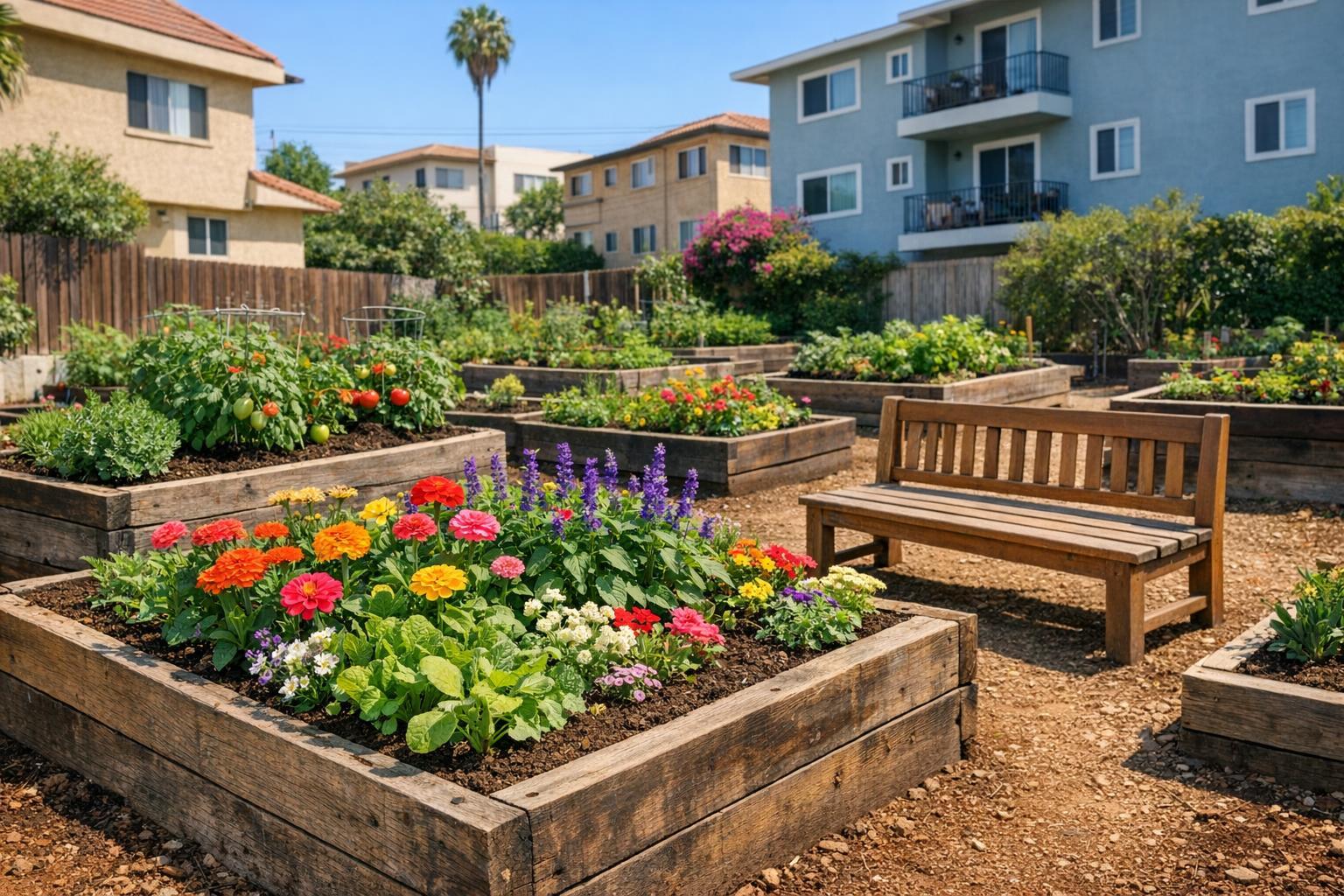
- Well-maintained common spaces (gardens, courtyards, pools, etc.) boost home values and happiness (caionline.org).
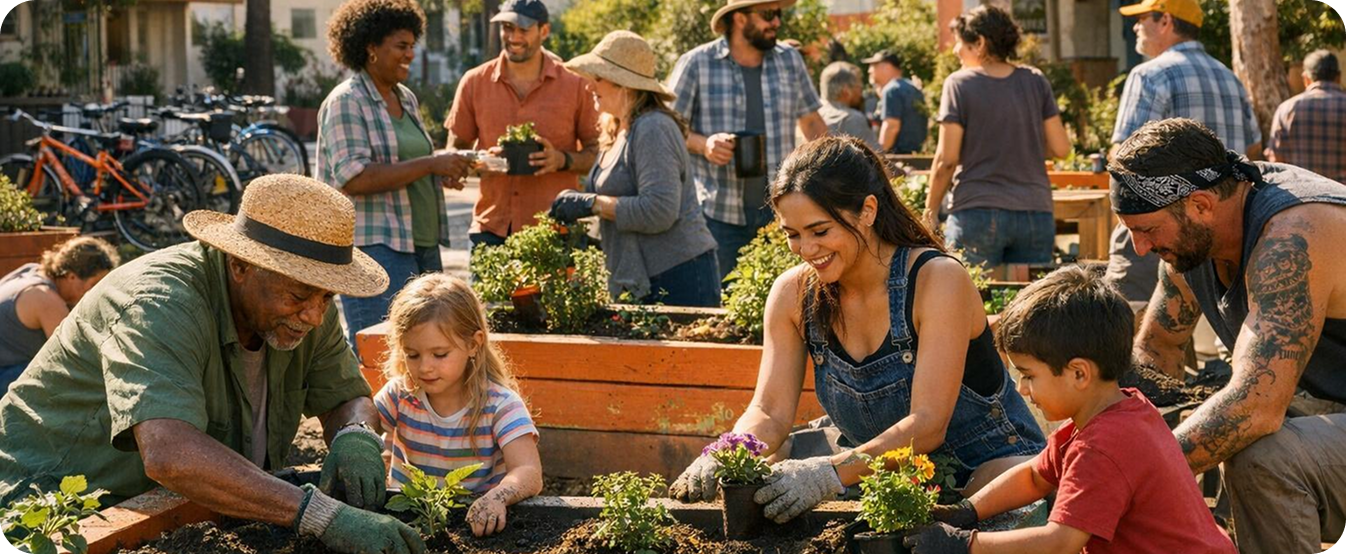
- Social events, shared gardens, and common projects (like neighborhood watch or green upgrades) strengthen bonds between neighbors.
- Your participation—whether attending meetings, voting, or just saying hello—makes a real difference.
3. AI in Real Estate Services
- Artificial intelligence is starting to play a role in community management by automating routine tasks like maintenance scheduling, reporting, and document storage.
- For boards and managers, this means less paperwork and faster response for everyday resident needs.
- AI tools can help analyze budgets, flag potential building issues, and streamline communication (like automated event reminders or digital voting).
- For residents, it can mean quicker answers on maintenance or amenity bookings and more up-to-date information via mobile apps or emails.
- While promising, AI in real estate services is still evolving. Boards and residents should always ask about data privacy, reliability, and cost before adopting new tools (pewresearch.org).
4. Working from Home and Community Life
- Remote and hybrid work has changed how many residents use shared spaces (pewresearch.org).
- Researchers expect home-based workers to engage more with their local communities, spending more time in shared amenities and neighborhood events.
- With less time commuting, there’s more chance to meet neighbors, volunteer, or join community projects.
- HOAs may need to update rules or amenities (like co-working lounges or better internet access) to support this shift.
- Your input can drive changes that make HOA living better for everyone, whether you work from home or not.
Pro Tip: Stay tuned at HOA meetings for updates on both tech upgrades and community events—they often go hand-in-hand!

Local and Legal Nuances for LA County HOA Residents
- In California, community associations operate under the Davis-Stirling Common Interest Development Act, making self-governance and collective responsibility core legal concepts (always check with official agencies for details—this is not legal or financial advice).
- Board elections, assessments, and reserve studies are regulated, with timelines and documents often set by both the state and your HOA bylaws.
- Many LA County HOAs must openly share budget info and major decisions—owners can request documents and attend meetings.
- Maintenance of common areas is usually required by law and heavily affects property value. Associations that invest in upkeep and community harmony see stronger long-term home values (caionline.org).
- Costs: Expect regular assessments plus occasional special fees if big repairs or improvements are needed. Budget choices made by the community directly impact your wallet and your neighborhood’s quality.
(Hypothetical Example) When Community Building Pays Off
For example, imagine an LA resident who recently moved into a mid-sized condominium development. At first, they just paid their dues and kept to themselves. Over time, they joined maintenance walk-throughs and participated in an HOA vote to upgrade the shared garden. The upgrades not only increased property value but also sparked a series of weekend gatherings, leading to lasting friendships and a stronger sense of belonging for all.
The Bottom Line: Strong Real Estate Foundations Shape Great LA Communities
A thriving HOA community is built on active participation, fair rules, tech that’s actually helpful, and a willingness to adapt to how we live and work today. Whether you’re a longtime property owner or new to community life, the choices you make—individually and together—directly improve your neighborhood’s future, which is exactly why it pays to talk with JPMC about your community.
Deck / TL;DR
Key takeaways for LA HOA and community association living:
- HOA community living in LA means shared benefits—and shared responsibilities.
- Engaged residents and boards create stronger, more valuable neighborhoods.
- AI tools offer promise but need careful use and oversight (pewresearch.org).
- Remote work is reshaping how residents use and improve their communities (pewresearch.org).
FAQs
What to do next
- Attend your next HOA meeting and ask questions about upcoming decisions.
- Volunteer for a committee or join in a community improvement project.
- Stay informed about tech and lifestyle trends—share your ideas with the board.
— External Sources —
[1] Economic Contributions & Value-Added Benefits. (foundation.caionline.org)
[2] Maintenance – Community Associations Institute. (caionline.org)
[3] Hopes about developments in ethical AI | Pew Research Center. (pewresearch.org)
[4] Hopes about life in 2025 | Pew Research Center. (pewresearch.org)
2 Responses
I Love the Christmas Parade in Montrose! See you there!!!
I was more than happy to seek out this internet-site.I needed to thanks in your time for this wonderful read!! I positively enjoying every little little bit of it and I have you bookmarked to check out new stuff you weblog post.