Weekly report on key information from the U.S. Real Estate Industry
Understanding the Roles and Responsibilities of Your HOA Board
Homeowner associations work best when everyone understands who does what. This plain-English guide explains what HOA boards are responsible for, what they are not responsible for, and why that matters to every homeowner.
First-Time Home Buying in Los Angeles in 2026: Is It Really Possible?
Yes—but not in the casual, “I’ll figure it out later” way. In Los Angeles, first-time buyers in 2026 need a tighter plan, realistic expectations, and a smart mix of city and state programs to make
LA County Passes a 2-Month Minimum Eviction Threshold: What Owners Need to Know
Los Angeles County has raised the nonpayment threshold for certain evictions from one month of Fair Market Rent to two months. Here’s what that means, where it applies, and what rental owners should do next.
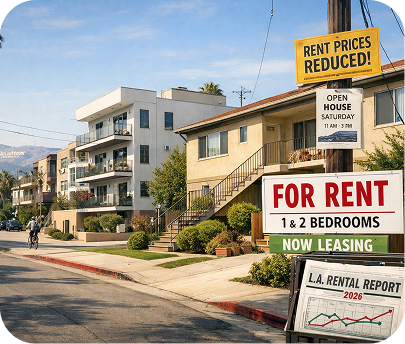
Rental Market Conditions in Los Angeles in 2026: What You Must Know Before Investing
If you’re thinking about buying a rental property in Los Angeles, 2026 is a year to slow down and look closely. Asking rents remain high, but growth is softer than many investors expect, vacancy has
HOA Investments & Financial Management: What California Boards Should Actually Focus On in 2026
In HOA finance, the sexy mistake is usually the expensive one. In 2026, California boards should think about investments as a capital preservation and compliance job first, not a return-maximization game. State law requires reserve
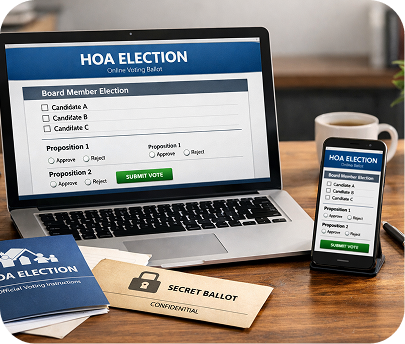
Electronic Voting for California HOAs: Is It Right for Your Community in 2026?
If your HOA struggles to get ballots back on time, misses quorum, or spends too much effort chasing paper envelopes, electronic voting is worth a serious look in 2026. California law now allows HOAs to
Annual budget season doesn’t have to be a fire drill. In Los Angeles County, boards that follow a clear checklist—budget, disclosures, and reserve planning—protect property values and avoid surprise special assessments. Below you’ll find a
LA County Considers Eviction Limits Tied to ICE Raids: A Plain-English Owner’s Guide
What’s on the table, what rent-relief was approved, and how LA County’s next steps could affect notices, timelines, and communication with tenants—without giving legal advice.
California’s New $100 HOA Fine Cap (AB 130): What Boards in LA County Need to Know
A quick, plain-English guide for HOA boards in Los Angeles County on AB 130’s $100 cap, the health/safety exception, cure rights, and the updated hearing rules—so you can stay compliant without losing control of enforcement.