


By: JMPC Team
Oct 12, 2026
Why Electrical, Gas, and Water System Maintenance Matters for Insurance and Property Protection in Los Angeles
Proper maintenance of your rental property’s major systems—electrical, gas, and water—is more than just good practice for owners and HOAs in Los Angeles. It can help protect your property, lower risks, and even impact your insurance coverage and claims.
Estimated reading time: ~6 minutes.
Keeping up with maintenance might seem tedious, but it’s essential in Los Angeles. With earthquake risks, older building stock, and complex insurance requirements, smart maintenance strategies can save you from sudden losses and stressful claims. In this post, you’ll learn why regular inspections and repairs of electrical, gas, and water systems matter for property safety—and your insurance.
Why Owners and HOAs in Los Angeles Need to Take System Maintenance Seriously
Los Angeles homeowners, rental property owners, and HOA boards shoulder big responsibilities when it comes to building systems. Ignoring regular checks can put buildings, tenants, and insurance policies at risk.
- Electrical problems can go unnoticed until a failure causes damage or fire—or until an inspection flags them during a claim event.
- Gas leaks pose health and explosion risks, especially in earthquakes or after a disaster.
- Water leaks may lead to structural damage and mold, resulting in denied or delayed insurance claims if it seems like maintenance was neglected.
Insurers are also paying attention. For example, some provide discounts for updates or maintenance of major systems, while others may increase premiums or deductibles for older or poorly-maintained buildings (insurance.ca.gov). HOAs and rental owners with preventative maintenance plans are in a stronger position when it’s time to renew policies or file claims.
Simple Steps and Checks: What Every Owner and HOA Should Do
Being proactive doesn’t have to be overwhelming. Here are practical steps for keeping electrical, gas, and water systems in top shape:
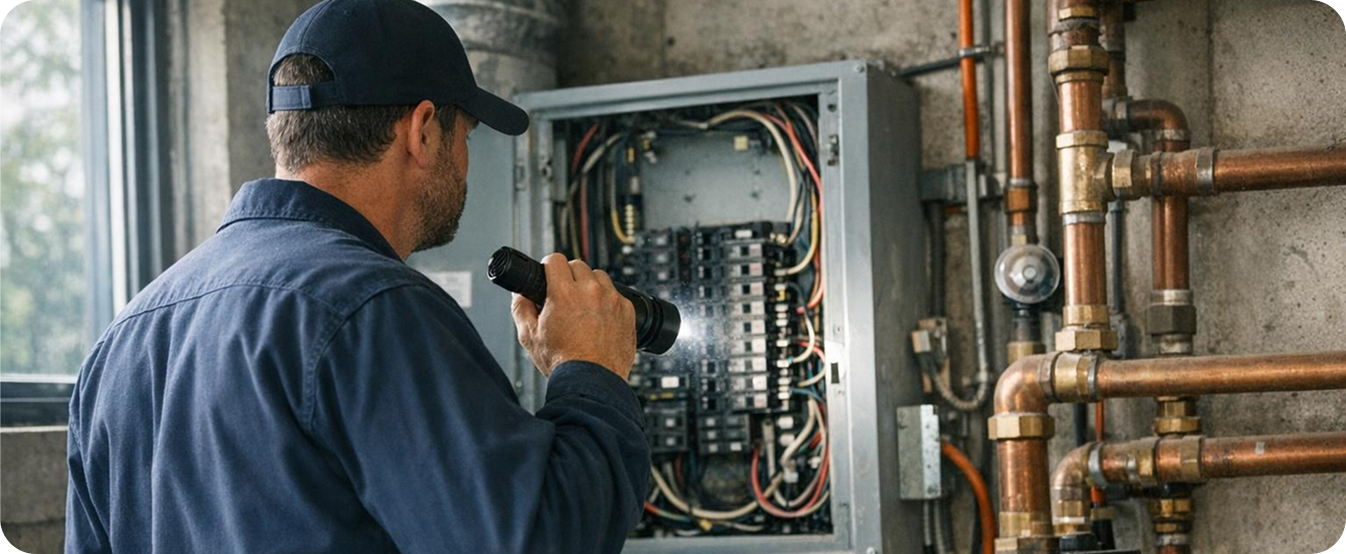
Electrical Inspection for Rental Property
- Check panels and breakers for signs of wear or overheating.
- Test GFCI outlets, especially in kitchens, bathrooms, and exterior spaces.
- Inspect visible wiring for frayed insulation or loose fixtures.
- Schedule a licensed electrician for annual or move-in inspections.
Gas Line Safety in California
- Make sure you know where main shutoff valves are—and that they’re accessible.
- After an earthquake or suspected leak, shut off gas immediately.
- Use flexible couplings for water heaters and appliances where required by modern codes.
- Consider installing automatic gas shutoff valves.
Water Leak Prevention and Insurance Claims
- Inspect under sinks and around appliances for early signs of moisture.
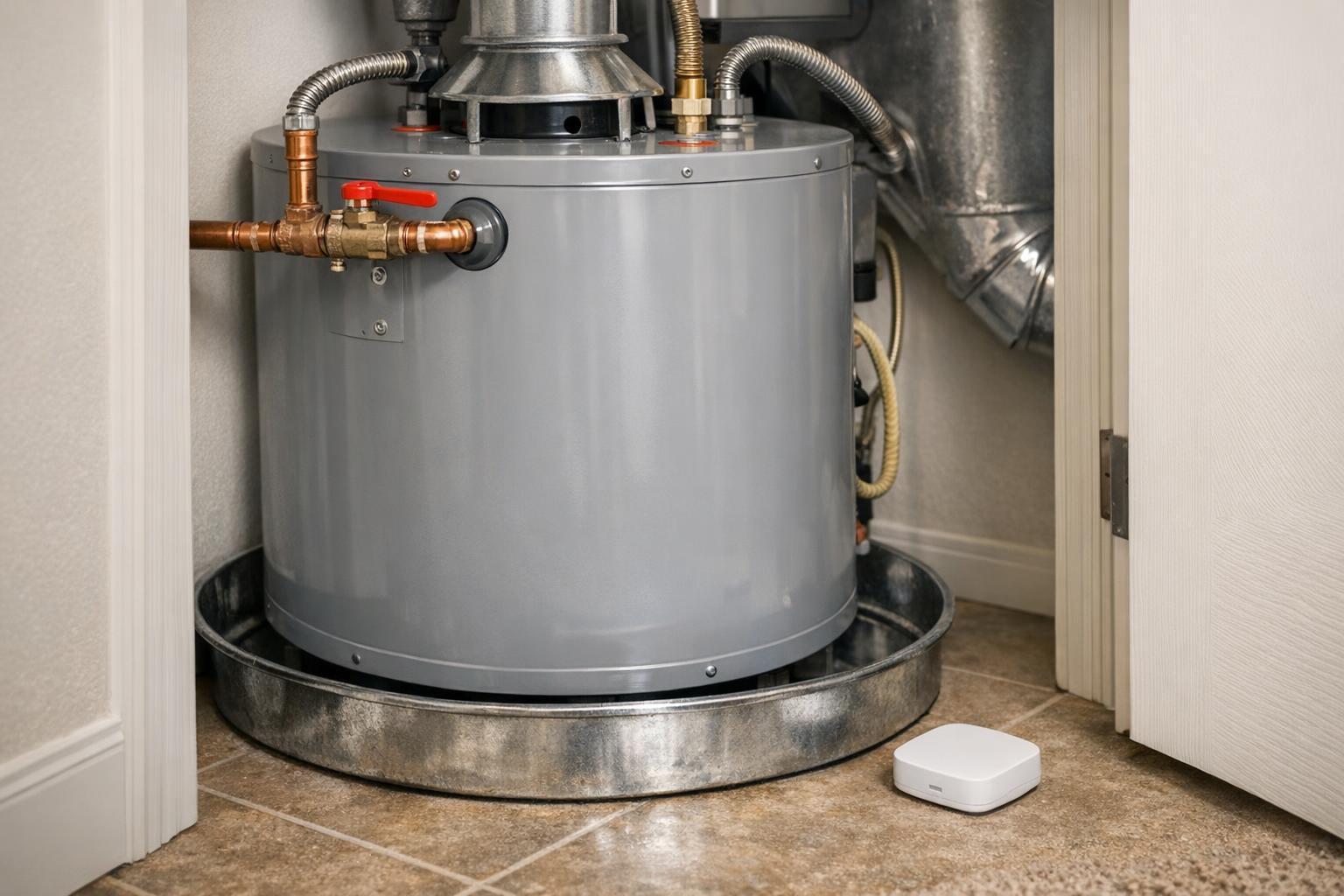
- Make sure water heaters are on leak pans, with shutoff valves and leak sensors installed.
- Strap water heaters to the wall to reduce earthquake damage, as recommended for California properties (insurance.ca.gov).
- Look for water spots on ceilings, especially after heavy rain, and address fast.
Preventive Maintenance for HOAs
- Keep maintenance logs for all building utility systems.
- Ensure regular service contracts with licensed professionals for annual checks.
- Communicate with residents about reporting leaks, smells, or unusual noises promptly.
Pro Tip: Document all maintenance and repairs—insurers may ask for proof after a claim.
Los Angeles-Specific Requirements, Codes, and Insurance Implications
In Los Angeles, property owners and HOAs must pay special attention to local standards, earthquake retrofits, and insurance documentation. Here’s what you need to know—for information only; always confirm with official agencies and your insurer.
- Water Heater Strapping: California requires water heaters to be braced or strapped. Proper strapping with seismic kits can prevent fire and water damage after an earthquake (insurance.ca.gov).
- Gas Shutoff Valves: Earthquake shutoff valves are recommended for residential buildings and may be required in some cases. These valves cut off gas automatically in case of seismic activity, improving safety and supporting insurance claims.
- Electrical Safety: Some insurers request proof of recent electrical updates for older buildings. Inspections and documentation can help avoid claim disputes (insurance.ca.gov).
- Maintenance and Claims: California insurers may deny or limit coverage if lack of maintenance contributed to the damage. Keeping up with preventive maintenance HOA tasks and repairs helps protect your claim standing (insurance.ca.gov).
- Building Code Retrofits: Upgrades like water heater bracing, foundation bolting, and gas valve installations may qualify for insurance discounts or lower deductibles (insurance.ca.gov).
LA’s risk of earthquakes and unique building mix make regular maintenance—and record-keeping—an investment in both safety and insurability.
A Quick Example: What Could Go Wrong?
For example, imagine an HOA in Los Angeles that skips its annual water system check. A hidden leak under a common-area water heater goes unnoticed until the tank ruptures during a minor quake. Water floods the lower unit, causing damage to floors and drywall. When the HOA files a claim, the insurer asks for maintenance logs and finds no evidence of regular inspections, leading to delays or reductions in the payout—which is exactly why it pays to schedule a maintenance review with JPMC.
TL;DR
- Insurers may require proof of maintenance or upgrades before or after a claim (insurance.ca.gov).
- Regular checks for electrical, gas, and water systems can help prevent big, expensive losses.
- Earthquake prep (strapping water heaters, gas shutoff valves) is critical for both safety and insurance in Los Angeles (insurance.ca.gov).
FAQs
What to do next
- Walk through your property and check for visible system issues.
- Schedule professional inspections for electrical, gas, and water systems.
- Gather and organize your maintenance records.
— External Sources —
[1] Insurer requirements and discounts for properly maintained or updated systems. (insurance.ca.gov)
[2] California earthquake insurance and building safety standards, including water heater strapping. (insurance.ca.gov)
[3] Guide to residential property claims and insurer coverage limitations in California. (insurance.ca.gov)
2 Responses
I Love the Christmas Parade in Montrose! See you there!!!
I was more than happy to seek out this internet-site.I needed to thanks in your time for this wonderful read!! I positively enjoying every little little bit of it and I have you bookmarked to check out new stuff you weblog post.