



By: JMPC Team
Nov 16, 2026
How Professional Property Management Services in Los Angeles Can Save Owners Time, Money, and Stress
Managing rental property in Los Angeles is complex—legal rules, maintenance, tenant issues, and daily surprises. Discover how professional property management services give owners and HOA boards real peace of mind, practical savings, and freedom to focus on what they love.
Estimated reading time: ~5 minutes.
If you own a rental property or serve on an HOA board in Los Angeles, you know the challenges: constant phone calls, complicated laws, and endless maintenance requests. In this guide, you’ll learn how professional property management services in Los Angeles can simplify your role, improve returns, and protect your reputation—while also keeping you on the right side of local regulations.
The Local Challenge: Why LA Owners and Boards Need Support
Los Angeles is one of the most regulated rental markets in California—and one of the busiest real estate zones in the country. Owners and HOA boards in LA face:
- Fast-changing laws and rent rules
- Pressure to keep properties attractive in a competitive market
- Long hours spent responding to tenant needs
- Risk of costly mistakes in leasing, accounting, and compliance
Every missed maintenance call or overlooked regulation can lead to tenant disputes, code violations, or financial loss. For many, the daily stress adds up fast, making it tough to enjoy the rewards of property investment here.
Checklist: How Professional Property Managers Add Value
So what exactly do you get when you hire a property manager or HOA management company in Los Angeles? Here’s a practical breakdown:
Rental Property Management LA: What They Handle
- Tenant Screening
Thorough checks to reduce risks and attract responsible residents. - Leasing Legally
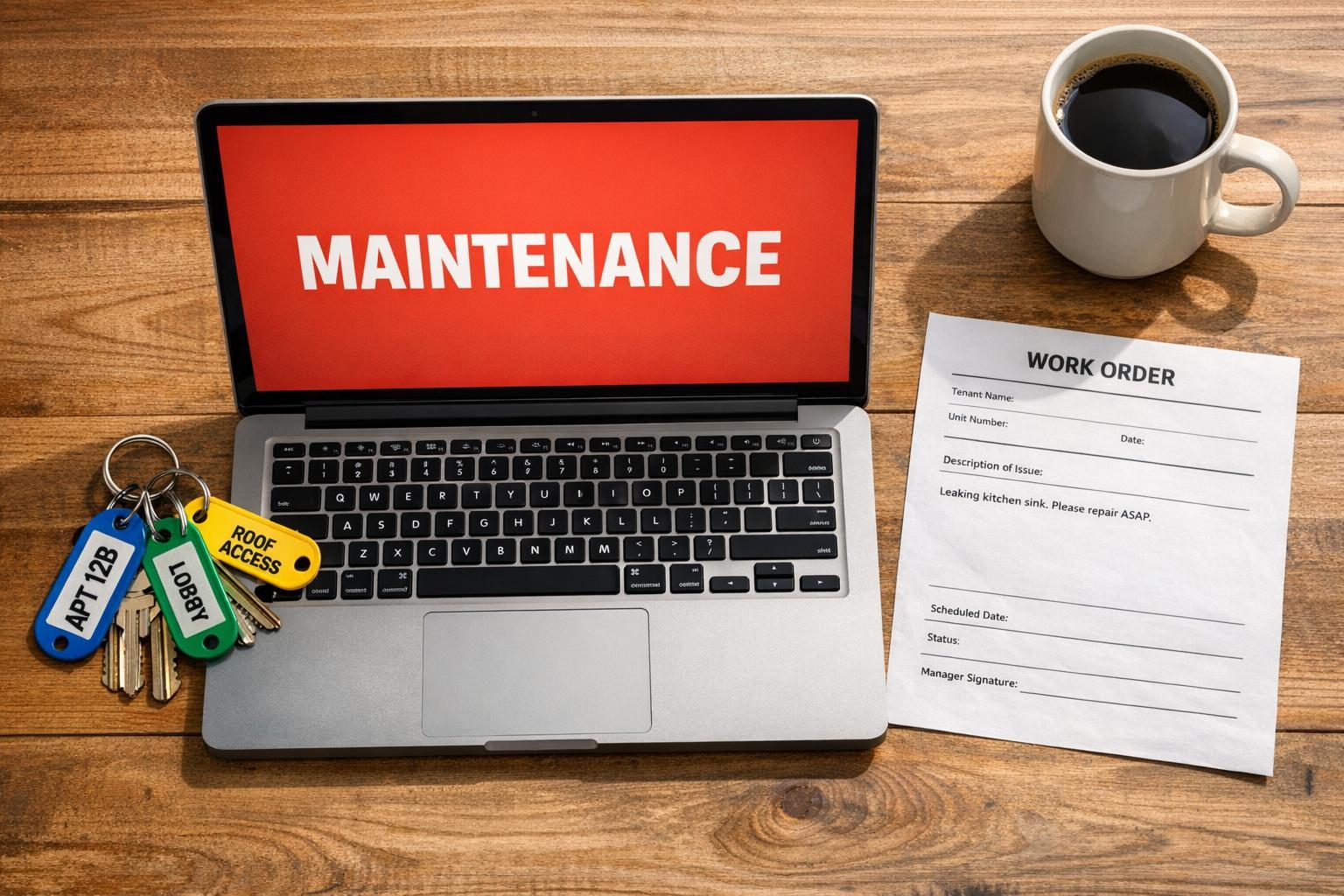
Prepare compliant leases; handle rent increases, renewals, and move-outs. - Maintenance Coordination
Schedule repairs early—prevent DIY mistakes or costly delays. (dre.ca.gov) - 24/7 Emergency Response
Field late-night repairs and complaints, so you don’t have to. - Rent Collection and Accounting
Keep payments timely, handle deposits, and provide reporting. (dre.ca.gov) - Legal Compliance
Stay up-to-date with rent stabilization, fair housing, and inspection rules required by LA city, county, and state. (dre.ca.gov) - HOA Community Support
Organize meetings, records, maintenance, and communications for shared residential communities.
The Top Property Management Benefits
- Time Savings: Enjoy freedom from daily management headaches.
- Reduced Vacancy: Fast response and marketing fill units sooner.
- Risk Reduction: Fewer costly legal errors.
- Improved Maintenance: Regular upkeep keeps properties attractive and valuable.
- Better Tenant Retention: Happy tenants are more likely to stay.
Pro Tip: Make sure your property manager has valid licenses and, if possible, certifications from trusted organizations.
Legal and Local Nuances: What LA Owners Need to Know
California’s landlord-tenant landscape is complicated, and Los Angeles adds its own requirements. Here are important considerations (for information only; always verify with city or state agencies):
- Property Manager Licensing: In California, firms or individuals who lease, negotiate, or collect rent for others must hold an active DRE license—a broker, or a salesperson working under a broker. Check the license status with the California Department of Real Estate before hiring. Resident managers (who live onsite, don’t negotiate leases, and only collect rent) may be exempt. (dre.ca.gov)
- Professional Certification: The California Certified Residential Manager (CCRM) credential is one signal of advanced training in state laws and ethical practices. (caanet.org)
- Required Reports and Contracts: Your contract should clearly state fees, maintenance procedures, termination clauses, and monthly financial reporting. (dre.ca.gov)
- Rent, Fair Housing, and Local Rules: Los Angeles has local rent stabilization, just-cause eviction, and fair housing enforcement. Laws can change quickly—property managers help you stay compliant and avoid costly fines.
- HOA Boards: California does not currently require state licensing for HOA managers, but best practices suggest professional management to maintain compliance and smooth operations.
This section is for general information, not legal, financial, or tax advice. Always consult an appropriate professional or check with city/county/state authorities for current regulations.
How the Right Property Manager Makes a Difference
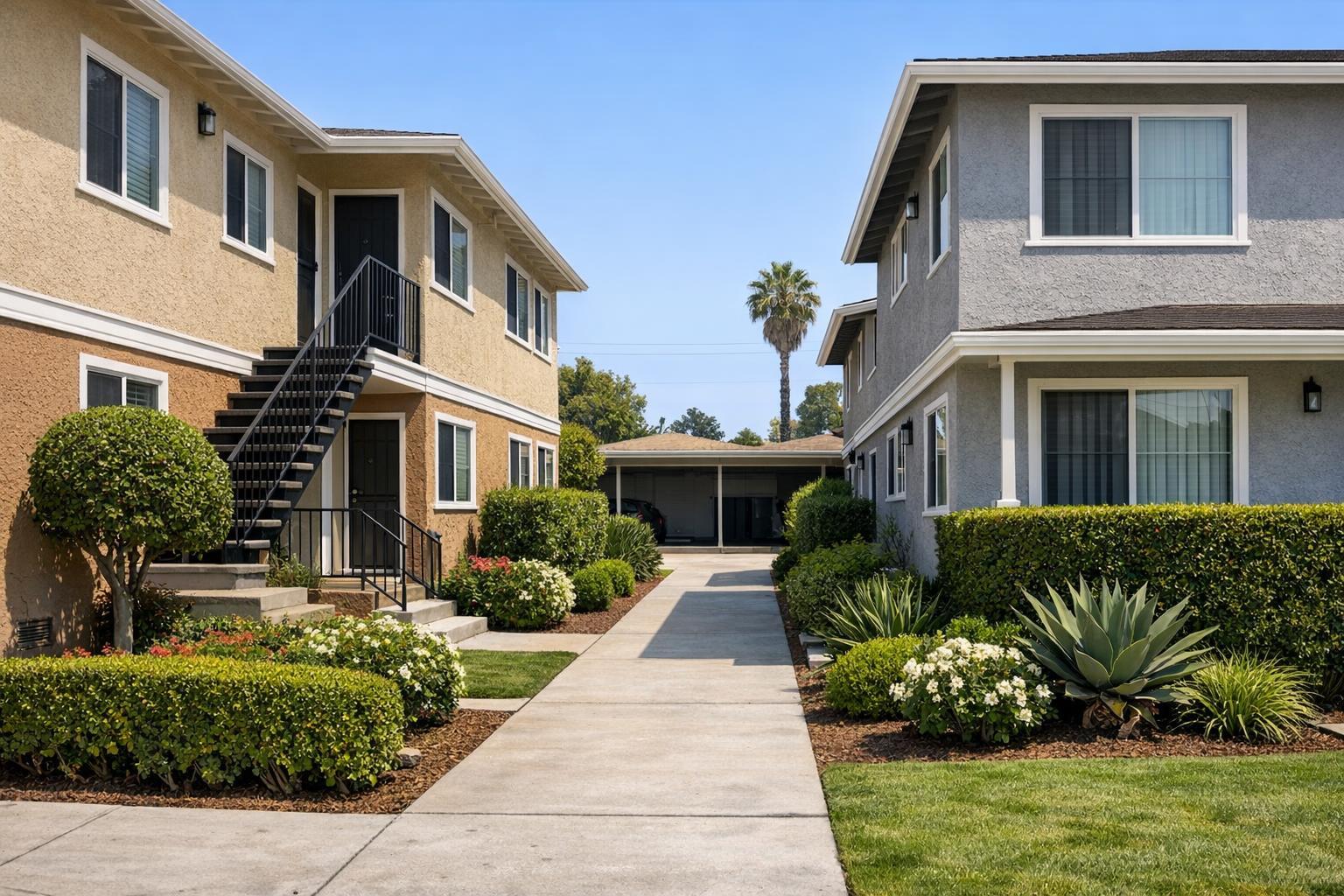
For example, imagine an HOA board in LA with an aging building facing frequent plumbing emergencies. Instead of members dealing with vendors, late-night leaks, and neighbor complaints, a professional property manager arranges inspections, schedules repairs before problems become disasters, and negotiates better rates with trusted vendors. This not only saves time and money but also lifts the ongoing pressure from the board, so they can focus on improving their community.
This is exactly why it pays to start a property management consult with JPMC.
TL;DR
- Professional managers schedule repairs and handle legal compliance. (dre.ca.gov) (dre.ca.gov)
- Licensing is required; certifications like CCRM are a plus. (dre.ca.gov) (caanet.org)
- Get monthly financial reporting and avoid vacancy or compliance issues. (dre.ca.gov)
FAQs
A: If someone is leasing, negotiating, or collecting rent for you, California law requires an active DRE license (a broker, or a salesperson working under a broker). Always verify before hiring. (dre.ca.gov)
A: Fees are usually a flat monthly amount, a percentage of rent collected, or a mix of both. Review your contract for specifics. (dre.ca.gov)
A: Yes, by marketing your unit effectively and screening tenants, professional managers can get vacancies filled faster.
A: While not legally required, HOAs often benefit from the expertise and organization a management company brings—especially for maintenance, records, and compliance.
A: Certifications are voluntary, but the California Certified Residential Manager (CCRM) credential is one signal of advanced knowledge of state-specific rental laws and ethical practices. (caanet.org)
What to do next
- Review your current property management needs and pain points.
- Check any potential manager’s license and professional credentials.
- Book a property management consult to discuss local solutions for your property or HOA.
— External Sources —
[1] 22. Property Management – (dre.ca.gov)
[2] Quick guide for landlords hiring a property manager – (dre.ca.gov)
[3] CCRM/Property Management Series • California Apartment Association – (caanet.org)
2 Responses
I Love the Christmas Parade in Montrose! See you there!!!
I was more than happy to seek out this internet-site.I needed to thanks in your time for this wonderful read!! I positively enjoying every little little bit of it and I have you bookmarked to check out new stuff you weblog post.